Risks Of Ignoring Garage Door Problems
Introduction: Why this matters now
Garage doors are more than functional access points; they are moving structures that interact with family members, vehicles, and valuables every day. Ignoring garage door problems can start as a minor annoyance and rapidly escalate into substantial danger and unexpected expense. National Garage Door Services recommends treating early warning signs seriously because addressing issues promptly reduces the risks of ignoring garage door problems and protects both people and property.
Many homeowners delay repairs because the door still opens or closes most of the time. That occasional hesitation or odd noise, however, is often a symptom of worn components or failing safety systems. Left untreated, those small failures compound - increasing the likelihood of injury, greater repair bills, and even potential legal exposure. Immediate evaluation and timely service are the best ways to remove uncertainty and restore safe, dependable operation.
Common garage door problems and what they signal
Recognizing common garage door problems helps you make informed decisions about repairs. Symptoms like grinding noises, jerky movement, slow response, visible rust, sagging panels, or a door that doesn't stay open are not just inconvenient; they are diagnostic clues. Each symptom typically points to mechanical wear, balance issues, opener malfunctions, or compromised hardware that require attention before they lead to failure.
Springs and cables are among the most critical components that fail without much visible warning. A broken spring or frayed cable can cause a heavy door to fall suddenly, posing severe injury risk. Similarly, misaligned tracks or worn rollers increase friction and stress on the opener, which shortens its life and can result in more expensive repairs. Early identification saves money and prevents dangerous outcomes.
Safety hazards created by delaying repairs
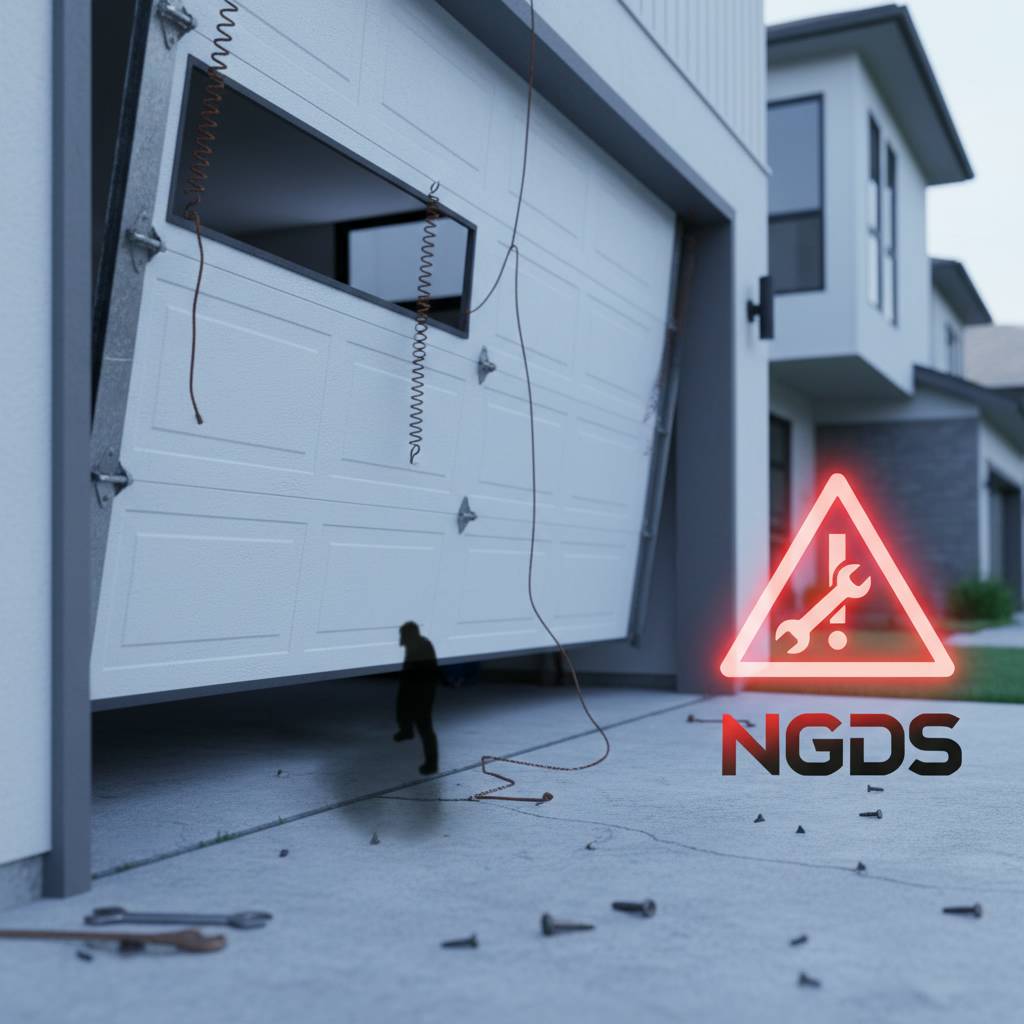 When homeowners postpone maintenance, real safety hazards arise that affect family members, pets, and visitors. A malfunctioning garage door increases the potential for crush injuries, lacerations, or even worse if the door closes or collapses unexpectedly. Children and pets are particularly vulnerable because they may not understand the danger or recognize the warning signs of a failing door. Treating the risks of ignoring garage door problems as serious safety concerns prevents needless harm.
Specific injury risks to consider
Broken springs, loose cables, and failed safety sensors are common causes of sudden door movement. A heavy, unbalanced door can fall or drop rapidly, hitting anyone directly beneath it. In other scenarios, doors that don't reverse properly after contacting an obstruction can trap limbs or objects. The consequences of these failures can include broken bones, deep cuts, and lasting disability - all avoidable with timely inspection and repair.
Hidden dangers beyond physical injury
Beyond immediate bodily harm, an unreliable garage door can compromise home security. A door that won't lock properly or that opens intermittently can make your home an easier target for theft. Moisture intrusion from improperly sealed or misaligned doors can also create mold issues and damage stored property, while failing weather stripping reduces energy efficiency and raises heating and cooling costs.
Financial and legal liabilities of neglect
Delaying garage door repairs doesn't just jeopardize safety - it carries measurable financial risks. Letting minor issues grow increases the complexity and cost of eventual repairs. For example, replacing a single worn roller is far less expensive than repairing a bent track or replacing a damaged opener that failed under strain. Homeowners who delay may face bills that are several times higher than early intervention would have required.
Legal liability is another important consideration. If a visitor is injured because you neglected known garage door problems, you could be held responsible for medical costs or legal damages. Insurance claims can become complicated if an insurer determines an incident was caused by neglect. Proactive maintenance and swift repairs help to document reasonable care and reduce exposure to liability claims.
How to prioritize repairs: what to fix first
Not all problems require the same urgency, so prioritize repairs based on safety risk and failure likelihood. High-priority issues include broken or corroded springs, frayed cables, malfunctioning auto-reverse sensors, and doors that do not remain securely open. These directly threaten safety and should be addressed immediately. Moderate-priority items - such as noisy rollers, minor alignment issues, or cosmetic panel damage - should still be scheduled promptly to avoid escalation.
- Immediate attention: Broken springs, snapped cables, non-operational safety sensors, door won't stay open.
- Prompt repair: Jerking motion, significant noise, opener strain, visible track warping.
- Routine maintenance: Lubrication, weather stripping replacement, roller and hinge inspection.
Regular inspections and a prioritized action plan prevent small problems from becoming emergencies. A professional assessment helps determine what must be fixed right away versus what can be scheduled during routine maintenance windows - a strategy that saves money and reduces the risks of ignoring garage door problems.
Simple preventive actions homeowners can take
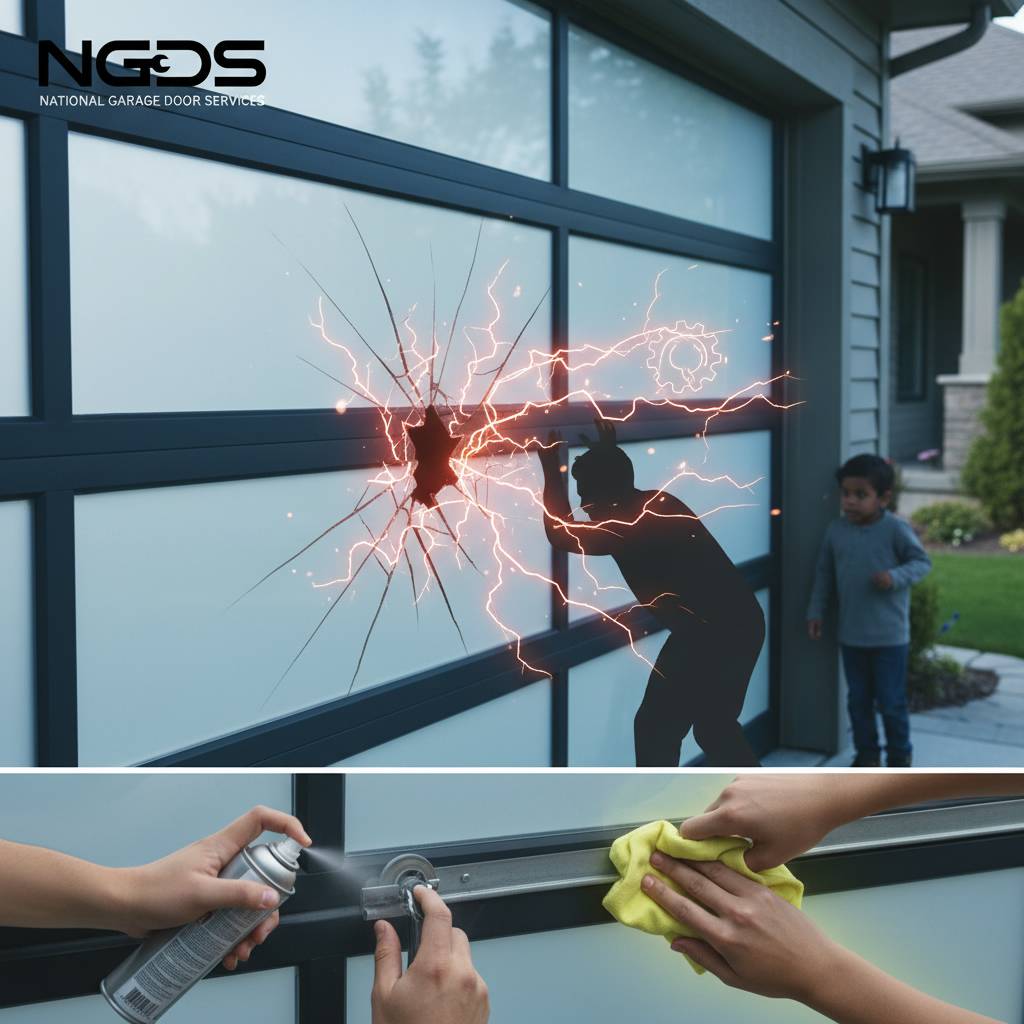 Some care can be handled safely by homeowners to reduce wear and spot emerging problems early. Regularly lubricate rollers, hinges, and springs with a silicone-based or manufacturer-recommended lubricant to reduce friction. Keep the tracks free of debris and gently clean them if dirt or buildup is visible. Test the door's balance by disconnecting the opener and raising the door manually to halfway; it should hold position without drifting significantly.
Safety checks to perform monthly
- Test auto-reverse sensors by placing a small object under the door and ensuring it reverses on contact.
- Operate the door while listening for unusual grinding or scraping noises.
- Inspect cables and springs for rust or fraying; do not attempt to repair these yourself if you see damage.
- Confirm that wall switches and remote controls respond consistently and that batteries are fresh.
These checks help you spot early warning signs and determine when professional attention is needed. When in doubt, call a trained technician - attempting high-tension spring or cable work without proper tools and training is dangerous and may void warranties.
Choosing a professional and what to expect
Selecting the right technician makes a big difference in safety and long-term performance. Look for garage door specialists who are licensed, insured, and experienced working with the types of doors common in your area. Ask for references and verify that the company provides written estimates and clear explanations of recommended repairs. National Garage Door Services offers transparent assessments and explains the trade-offs between repair and replacement so homeowners can make informed choices.
| DIY | Professional Service |
|---|---|
| Low upfront cost, but risk of injury and voided warranties | Higher initial cost, safer execution, and warranty-backed workmanship |
| Limited tools and expertise for high-tension components | Specialized tools and training for springs, cables, and openers |
| Possible missed diagnosis or recurring problems | Comprehensive inspection and reliable repair recommendations |
When a professional arrives, expect a systematic assessment: safety sensor testing, balance evaluation, hardware inspection, and an explanation of findings. Reliable technicians will provide a clear scope of work, timeline, and pricing before starting repairs. If replacement is recommended, a reputable provider will outline benefits and longevity so you can weigh cost versus value.
Frequently asked questions
How soon should I act if I hear odd noises?
Unusual noises like grinding, popping, or squeaking are early indicators of wear. While not always an emergency, they signal increased stress on components. Schedule an inspection within days to weeks depending on severity; waiting months amplifies repair costs and the risks of ignoring garage door problems.
Can I repair springs or cables myself?
No. Springs and cables are under high tension and can cause serious injury if handled improperly. Trust these repairs to trained professionals who use specialized tools and follow safety protocols. Having a pro handle high-tension components protects you and preserves the integrity of your door system.
What about sensor or opener replacement - is it worth it?
Replacing worn sensors or an old opener is often a cost-effective investment in safety and convenience. Modern openers have improved safety features, quieter operation, and smart-home integration. If your system is more than a decade old or repeatedly malfunctioning, replacement may reduce long-term costs and eliminate recurring risks.
Real-world example and closing recommendation
Consider a homeowner who noticed a slow response and occasional jerking while opening the garage door. What began as an intermittent annoyance became a broken spring within weeks, causing a sudden drop that injured a family member and required costly emergency repairs. This scenario illustrates the real-world consequences of ignoring early warning signs - consequences that are avoidable with routine checks and prompt professional service.

Don't let small symptoms become major problems. Prioritize safety by scheduling an evaluation as soon as you notice irregular operation, unusual noises, or sensor malfunctions. National Garage Door Services can perform a thorough safety inspection, provide honest recommendations, and complete repairs quickly to reduce the risks of ignoring garage door problems. Ask forNGDS's team if you prefer continuity with a familiar technician.
Call now: Contact National Garage Door Services at 469-555-8888 for a safety evaluation and fast service. Early attention reduces danger and unexpected costs - protect your family and your home today.